Does Heat Sensor Tech in Non-Stick Pans Prevent Overheating & Toxins?

Picture a familiar evening scene. You are juggling dinner while keeping an eye on the oven timer, stirring the sauce, and checking your phone notifications. Suddenly, the frying pan begins to smoke. The meal risks burning, the pan risks damage, and you are left frustrated. This moment is common in kitchens everywhere. To reduce this problem, cookware manufacturers introduced heat sensor technology. These pans carry a visual indicator that signals when the surface temperature reaches a certain point. The idea is simple: stop overheating before it ruins food or weakens the non-stick surface. In this blog, we explain how heat sensors work and the role they play in modern kitchens.
How Heat Sensor Technology Works in Cookware
-
Built-in Temperature Guide:
-
Many pans display a circular heat spot at the centre. This spot changes shade once the pan reaches the recommended cooking heat.
-
Instead of guessing, you gain a visual cue to add ingredients at the right time.
-
Keeping Cooking Within Safe Ranges:
-
Non-stick surfaces are safe at temperatures below around 260 °C. Above this range, coatings can break down faster.
-
A heat sensor provides an early signal when the at rises close to that limit, helping protect cookware.
-
Designed for Practical Kitchens:
-
These sensors are not just for professional chefs.
-
Anyone who struggles to judge when a pan is “hot enough” benefits from an immediate visual indicator.
Why Overheating Matters in Non-Stick Pans
-
Protecting Non-Stick Coatings:
-
Excessive heat causes wear on protective coatings, shortening the lifespan of pans.
-
Regularly overheating reduces non-stick performance, leading to sticking and uneven cooking.
-
Preserving Food Quality:
-
Fish, eggs, and other delicate ingredients react badly to extreme heat.
-
Meals prepared at consistent, controlled temperatures taste better and retain more nutrients.
-
Maintaining Kitchen Safety:
-
Smoke from overheated oils or empty pans can irritate the air and trigger alarms.
-
Controlling the pan temperature lowers the chance of spills, smoke, and unpleasant cooking smells.
Benefits of Heat Sensor Cookware
-
Supports Healthier Cooking Habits:
-
Heat sensors allow you to cook with little oil, reducing calories without burning food.
-
They encourage gentle cooking methods that keep vegetables bright and full of flavour.
-
Extends Cookware Longevity:
-
Consistent use within the safe range means your non-stick frying pan set lasts longer.
-
A correctly heated frying pan used for daily meals performs well for years without losing coating strength.
-
Boosts Confidence for Learners:
-
Beginners often struggle with timing. A clear heat guide removes doubt and builds cooking confidence.
-
Instead of relying only on instinct, new cooks can trust the indicator to guide them.
-
Versatile Across Kitchen Tasks:
-
A heat-sensor pan adapts to shallow frying, sautéing, or simmering.
-
From solo cooking in a 24 cm frying pan to family meals in a 28 cm non-stick pan, the technology helps across different sizes.
Limitations of Heat Sensor Technology
-
Provides Cues, Not Solutions:
-
A sensor signals temperature, but does not adjust the flame or hob automatically.
-
You still control the heat by lowering the setting or moving the pan.
-
Durability May Reduce Over Time:
-
Regular washing, high heat, or abrasive cleaning can dull the indicator.
-
Long-term accuracy varies between cookware brands.
-
Not Found in Every Range:
-
Many reliable cookware sets come without sensors.
-
For experienced cooks, heat sensors are helpful but not essential.
Choosing the Right Cookware for Your Kitchen
-
Size Selection for Daily Use:
-
A 24 cm frying pan suits single meals, eggs, or light stir-fries. It offers a balance between compact size and ease of handling.
-
A 28 cm non-stick pan is perfect for larger households, batch cooking, or preparing multiple portions.
-
Handles That Stay Cool:
-
A frying pan with a heat-resistant handle provides grip and security.
-
Comfort is important when lifting heavy pans or cooking for extended periods.
-
Cooking Flexibility With Lids:
-
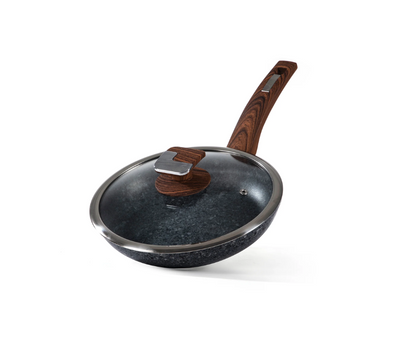
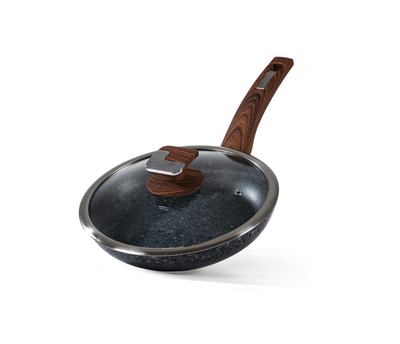
Frying pans with lids allow you to steam vegetables, simmer sauces, and keep food warm.
-
Glass lids with vents help monitor food without lifting them.
-
Sets for All-Round Convenience:
-
A full non-stick frying pan set offers consistency across different sizes.
-
Investing in a set ensures matching designs, uniform heating, and long-term reliability.
Is Heat Sensor Technology Essential?
-
Helpful for Beginners:
-
For new cooks, sensors take away guesswork. They reduce the chance of burnt food and make cooking less stressful.
-
Practical for Busy Kitchens:
-
Multitasking at mealtimes often means pans are left on high heat longer than intended.
-
A clear indicator reduces the chance of overheating during these moments.
-
Not Required for Everyone:
-
Experienced cooks often manage perfectly with instinct and timing.
-
With care, a non-stick frying pan set without sensors still performs reliably, delivering excellent results.
Shop Non-Stick Frying Pans
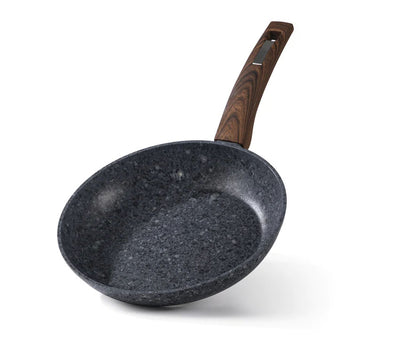
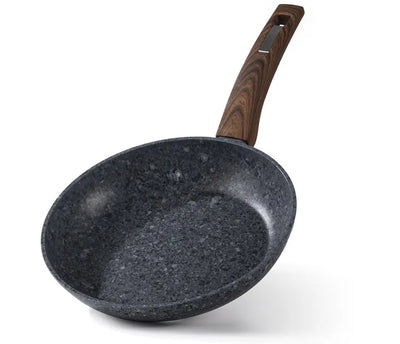
Heat sensor technology adds an extra layer of reassurance in cooking, but safe practices and quality cookware remain the foundation of every kitchen. What matters most is choosing frying pans that combine strength, comfort, and performance. Our collection of non-stick frying pans offers exactly what you need. From compact 24 cm frying pans for everyday meals to larger 28 cm non-stick pans for family dishes, you’ll find sizes that fit your lifestyle. Select from complete cookware sets, versatile frying pans with lids, and designs featuring heat-resistant handles for safety and ease. Shop the full range today at Houszy Frying Pans and enjoy cookware made for modern UK kitchens.